




What is a Corn?
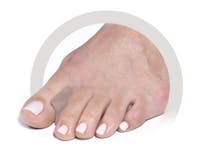
A corn is a concentrated area of foot calluses (hard skin) and is characterised by a deep central area called a nucleus, which presses into the underlying dermis. It is a result of intense intermittent pressure and friction. Corns are classified as hard, soft, vascular, neurovascular and seed.
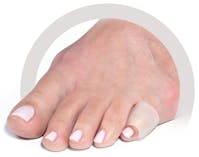
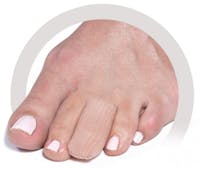
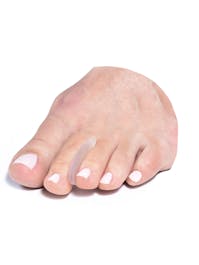
Corns appear typically on areas subjected to pressure and friction, and as such may appear on top of toe joints, under the ball of the foot or heel of the foot, or at times in between the toes.
Corns are usually translucent or dirty yellow but may have dark red or black marks from congealed blood.
The pain varies in its intensity and increases by pressure.
What causes Corns?
Corns are always indicative of concentrated, intermittent pressure on the affected area. Often it is a result of some foot deformity, fixation of joints, which creates prominent areas that are vulnerable to pressure. Ill fitting shoes are often a contributory factor to development of corns.
If neglected, a corn may become infected or develop into an ulcer. The condition may become increasingly painful with the involvement of nerve ending or blood capillary in the nucleus of the corn.
Treatment and prevention of Corns
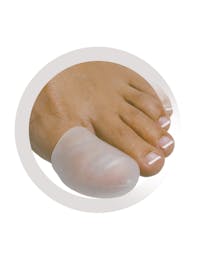
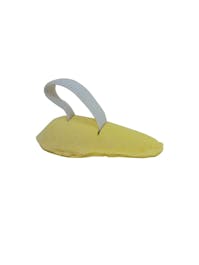
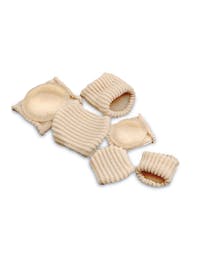
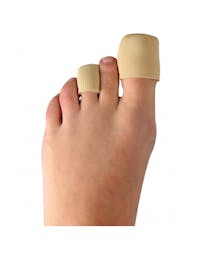
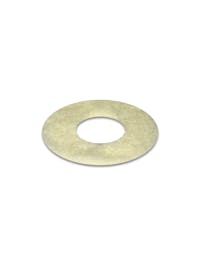
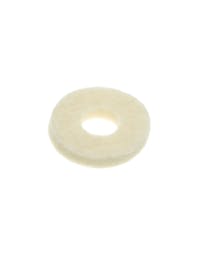
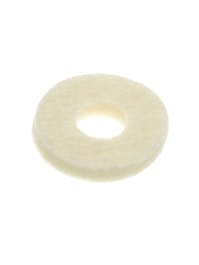
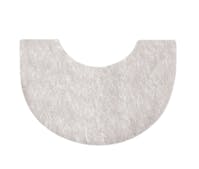
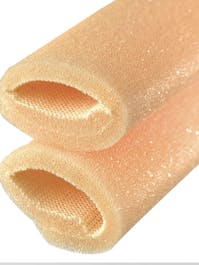
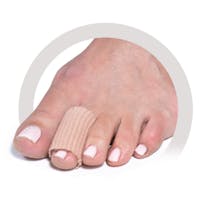
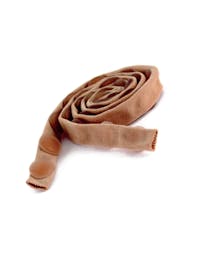
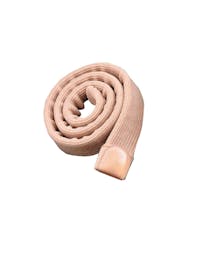
Treatment of Corns involves the removal of the overlying foot calluses followed by the excision of the nucleus. Protective padding is applied to deflect the pressure from the affected area.
In the long term the cause of the pressure needs to be identified and a long term protection and possibly correction applied.
It is important to take appropriate measures to avoid excessive pressure and as such wear correct footwear.
Try to avoid using corn removing solutions and medicated pads. These solutions can sometimes increase irritation and discomfort and may lead to ulceration. Diabetics and all other individuals with poor circulation should never use any chemical agents to remove corns.
This information is for guidance only. If you are in doubt at all, please consult your nearest health professional.


