

What is a Bunion?
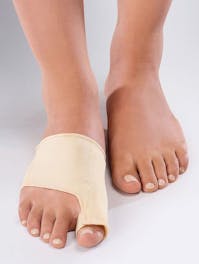
This is a condition in which the big toe is deflected towards the outer side of the foot and held there in a fixed position. This creates an enlarged and prominent joint which may become painfully inflamed due to irritation of ill fitting shoes.
The joint itself may also become painful during walking, as there is limitation of movement or even total fixation in the joint. When the foot is about to push off the ground the force exerted on the joint is great, but the joint can not flex and therefore becomes painful.
What causes a Bunion?
Some suggest that the hereditary factor is the cause of bunions. This is not quite true; though it is the case that the shape of a person's foot is determined to some extent by genetics, just like other parts of body, it is also accepted that with proper foot care the incidents of inherited bunions can be dramatically reduced.
The main cause of bunions is incorrect function of the foot during walking (poor biomechanics). Because the foot is in-rolling, the toes turn out and great pressure is then applied on the big toe joint which over the years gives way and the toe is then pushed further out, constantly damaging the joint.
Reduce your chances of developing a Bunion
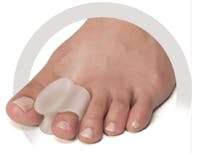
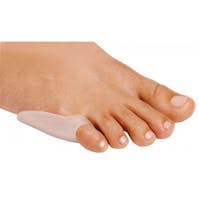
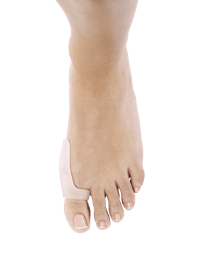
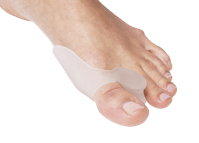
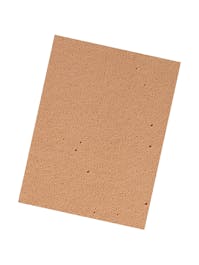
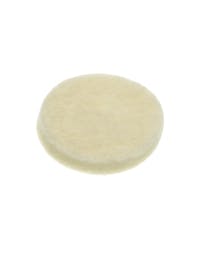
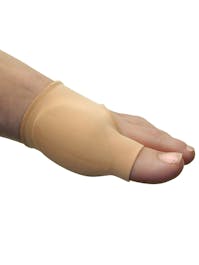
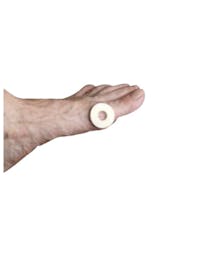
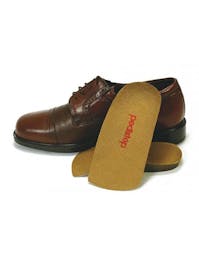
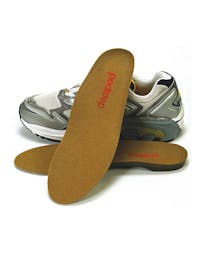
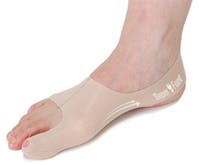
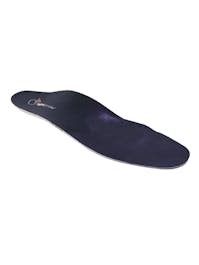
It is therefore very important to wear good shoes that can accommodate the enlarged joint. In the first place a bunion should be treated conservatively by fitting in an insoles or orthoticsdevice that will eliminate the in-rolling of the foot and therefore reduce the force on the big toe joint. The area of the prominent joint should be protected to reduce the pressure and friction and so prevent the area from becoming inflamed.
Exercise the joint as much as possible in order to keep it mobile as long as possible. The more the joint is fixed the more painful the condition becomes. Always exercise when the foot is nice and warm.
If the condition becomes very painful and debilitating, you will be wise to seek medical advice.
This information is for guidance only. If you are in doubt at all, please consult your nearest health professional.


